



Sri Lanka Road Map for Marine Sector – Investment and Tourism
Podcast on Sri Lanka Maritime Roadmap 28 October 2023
The launch of the Marine Tourism Roadmap, supported by the Asian Development Bank (ADB), marks a critical step in balancing economic development with environmental preservation in the tourism sector. The broader maritime economy has an ambitious target of reaching US$2 billion in revenue by 2029.
Sri Lanka is actively pursuing significant growth in its marine sector, with a clear ambition to become a global hub for marine investment and tourism. This is driven by the country’s strategic location, rich maritime history, diverse marine resources, and a concerted effort by the government and various institutions to develop infrastructure, attract investment, and promote sustainable practices.

Main Themes and Important Ideas:
- Strategic Location and Historical Significance: Sri Lanka’s position “midway between the East and the West” at the convergence of major shipping lanes is repeatedly highlighted as a key advantage for trade and logistics. Its long maritime history and skilled workforce are also seen as valuable assets.
- “Sri Lanka, an island nation with maritime heritage, being strategically positioned where major “East West” shipping lanes converge adjacent to Dondra Head Lighthouse on the South coast.” (USD 2 Billion Maritime Economy by 2029)
- “Sri Lanka’s strategic location at the crossroads of major shipping routes also makes it an attractive destination for marine investment.” (Marine Investment)
- “One of the key strengths of Sri Lanka’s marine sector is its skilled and experienced workforce. The country has a long history of maritime trade and craftsmanship…” (Marine Investment)
- Ambitious Economic Targets: The Sri Lankan government has set a clear goal of expanding the maritime economy significantly.
- “The new administration is setting sights on a significant expansion of its maritime economy, aiming for a substantial US$2 billion in revenue by the year 2029.” (USD 2 Billion Maritime Economy by 2029)
- Focus on Diverse Sub-Sectors within the Marine Economy: The vision for growth extends beyond traditional port operations to encompass several key areas:
- Port Operations, Development and Logistics: Expanding and modernizing infrastructure, improving efficiency, and developing ancillary services.
- “Sri Lanka has already made significant investments in its port infrastructure, particularly the Colombo Port, which has emerged as a key trans shipment hub in South Asia. Future plans likely involve further expansion and modernization of existing ports…” (USD 2 Billion Maritime Economy by 2029)
- Shipping and Maritime Transport: Developing a national fleet and promoting coastal shipping.
- Marine Tourism and Leisure: Capitalising on the country’s natural beauty to attract high-spending tourists through yachting, boating, cruise tourism, and water sports.
- “With pristine beaches, enchanting river ways, marina developments and ports there is no better time to invest in the marine tourism industry.” (Marine Investment)
- “…Sri Lanka possesses immense potential for developing yachting and boating tourism. Investing in marinas, repair facilities, and related infrastructure can attract high-spending tourists…” (USD 2 Billion Maritime Economy by 2029)
- Shipbuilding and Repair: Developing local capabilities and skills in this area.
- Sustainable Marine Resources and Blue Economy Initiatives: Promoting responsible fishing, aquaculture, and exploring marine renewable energy.
- Marine Tourism Roadmap: A Key Initiative: The recently launched roadmap, supported by the ADB, is a crucial element of the tourism development strategy.

- “Sri Lanka officially launched the Marine Tourism Roadmap in Colombo recently, an initiative led by the Sri Lanka Tourism Development Authority (SLTDA) with support from the Asian Development Bank (ADB)…” (Marine Tourism Roadmap Launched – SLTDA)
- “The initiative… lays the groundwork for a new chapter in tourism and the nation’s blue economy.” (Marine Tourism Roadmap – Sri Lanka Connector)
- Emphasis on Sustainability in Marine Tourism: The roadmap prioritizes a balanced approach between economic development and conservation.
- “The Marine Tourism Roadmap emphasizes a balanced approach between conservation and economic development, promoting eco-friendly activities such as diving, snorkelling, shipwreck diving and marine wildlife watching.” (Marine Tourism Roadmap Launched – SLTDA)
- “These activities are designed to support local livelihoods while safeguarding Sri Lanka’s rich marine biodiversity…” (Marine Tourism Roadmap – Sri Lanka Connector)

- Identification of Marine Tourism Destinations: The roadmap categorizes coastal areas based on their current development level.
- “The strategy outlines two categories of coastal destinations: areas covering Kalpitiya through Galle to Trincomalee, which possess established marine tourism industries; and areas covering Mannar, Jaffna and the North-Eastern coastal belt, which are recognized for their emerging tourism potential.” (Marine Tourism Roadmap Launched – SLTDA)
- Vast Untapped Ocean Territory: Sri Lanka’s significant ocean territory relative to its landmass presents considerable potential for marine-based activities.
- “Notably, Sri Lanka’s ocean territory is nearly seven times larger than its landmass, highlighting the vast, untapped opportunities for marine-based tourism.” (Marine Tourism Roadmap Launched – SLTDA)
- Government and Stakeholder Collaboration: The development of the Marine Tourism Roadmap involved extensive collaboration across public and private sectors, highlighting a unified approach.
- “The roadmap itself was the result of collaboration among stakeholders covering coastal areas… and also the Steering committee members representing 18 key marine related public and private sector institutions…” (Marine Tourism Roadmap – Sri Lanka Connector)
- “Hon. Prof. Ruwan Ranasinghe emphasized the critical importance of marine tourism in strengthening the national tourism strategy and assured fullest support of the government to implement the roadmap.” (Marine Tourism Roadmap Launched – SLTDA)
- “SLTDA’s Chairman, Mr. Buddhika Hewawasam underscored the importance of collective action in achieving the goals and objective of the Marine Tourism Roadmap.” (Marine Tourism Roadmap Launched – SLTDA)
- Conducive Business Environment and Investment Incentives: The government is actively working to attract foreign investment.
- “Sri Lanka offers a favorable business environment for marine investment. The government has implemented a range of policies and incentives to attract foreign investment and promote growth in the marine sector. These include tax incentives, streamlined regulatory processes, and investment protection agreements.” (Marine Investment)
- Key Events and Initiatives: Several events are highlighted as crucial platforms for showcasing Sri Lanka’s marine potential and attracting investors.
- “Voyage Sri Lanka”: An initiative by the Export Development Board (EDB) to showcase maritime investment potential. The 2024 event has occurred, and a Marine Summit is planned for 2025.
- “One of the key initiatives driving marine investment in Sri Lanka is the Export Development Board’s (EDB) “Voyage Sri Lanka” The 2024 event was attended by international investors and the forthcoming Marine Sumit in 2025 will continue to attract more investors.” (Marine Investment)
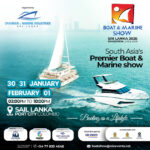
- Colombo Boat Show: A biennial event (next in January 2026) bringing together industry leaders and investors.
- “The next Colombo Boat Show will be January 2026, this event brings together industry leaders, investors, and enthusiasts from around the world to explore the latest trends and innovations in the marine sector.” (Marine Investment)
- Marine Summit in Sri Lanka 2025: A significant event focused on sustainable development, innovation, and collaboration in the marine sector.
- “Looking ahead, the Marine Summit in Sri Lanka 2025 promises to be a game-changer for the country’s marine sector.” (Marine Investment)
- Importance of Human Capital Development: Investing in training and education is recognized as essential for the growth of the skilled marine workforce.
- “Training and developing an already skilled workforce in shipbuilding and marine engineering is essential for the continued growth of Sri Lanka Marine excellence.” (USD 2 Billion Maritime Economy by 2029)
- Role of Cultural Diversity and Local Expertise: Sri Lanka’s multicultural population and local businesses are seen as assets for building relationships and providing support to investors.
- “Sri Lanka’s rich cultural heritage and diverse population also play a crucial role in its marine investment opportunities.” (Marine Investment)
- “The friendly and gentle advice provided by Palm Sail International’s team of marine industry professionals is another key factor that sets the country apart.” (Marine Investment)

Future Growth
Here is a compelling picture of Sri Lanka’s commitment to leveraging its marine resources for economic growth and sustainable development.
The ambitious target of a US$2 billion maritime economy by 2029, coupled with the strategic launch of the Marine Tourism Roadmap and the hosting of key international events, underscores the seriousness of this endeavour.
The emphasis on sustainability and collaboration across sectors suggests a forward-thinking approach to developing the “blue economy.”
While challenges in implementation will undoubtedly exist, the foundation for significant growth in Sri Lanka’s marine sector appears to be firmly in place.
Podcast on Sri Lanka Maritime Roadmap 28 October 2023