



Are you passionate about tea?
In Sri Lanka we call tea the beauty of life.
Tea Grading Hierarchy
| Grade | Leaf Size | Use |
|---|---|---|
| Whole Leaf OP | Largest, intact | Premium loose-leaf |
| Broken BOP | Medium broken | Stronger loose-leaf, tea bags |
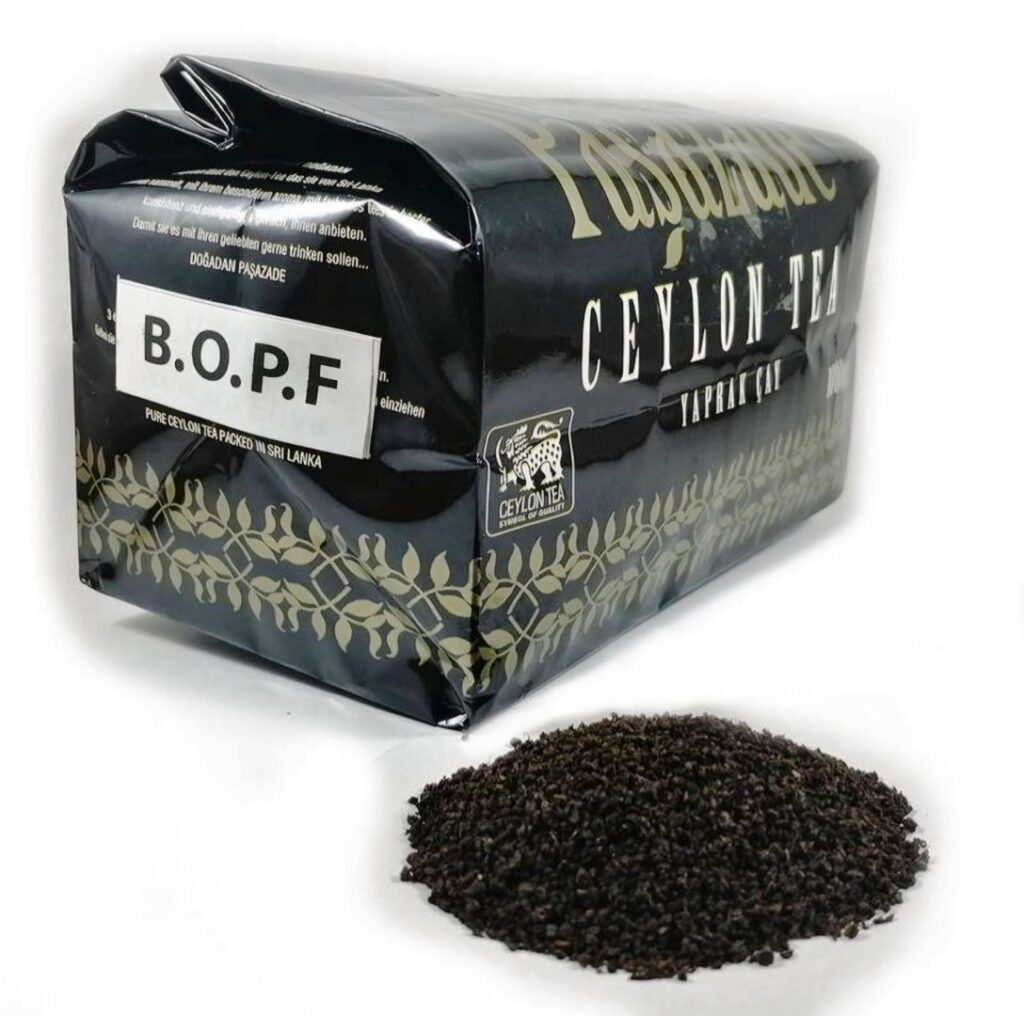
| BOPF | Fine broken fannings | Commercial tea bags |
| Dust | Smallest particles | Industrial blends, instant brews |
Tea Considerations
What is BOPF Tea?
- Not a quality rating → BOPF describes leaf size, not taste quality. A high-grown BOPF can be excellent, while a low-grown may be more robust but less refined.
- Best for convenience → Quick brewing makes it ideal for tea bags and everyday use.
- Less nuanced than whole-leaf → If you want delicate flavors, whole-leaf grades (OP, FOP) are better.
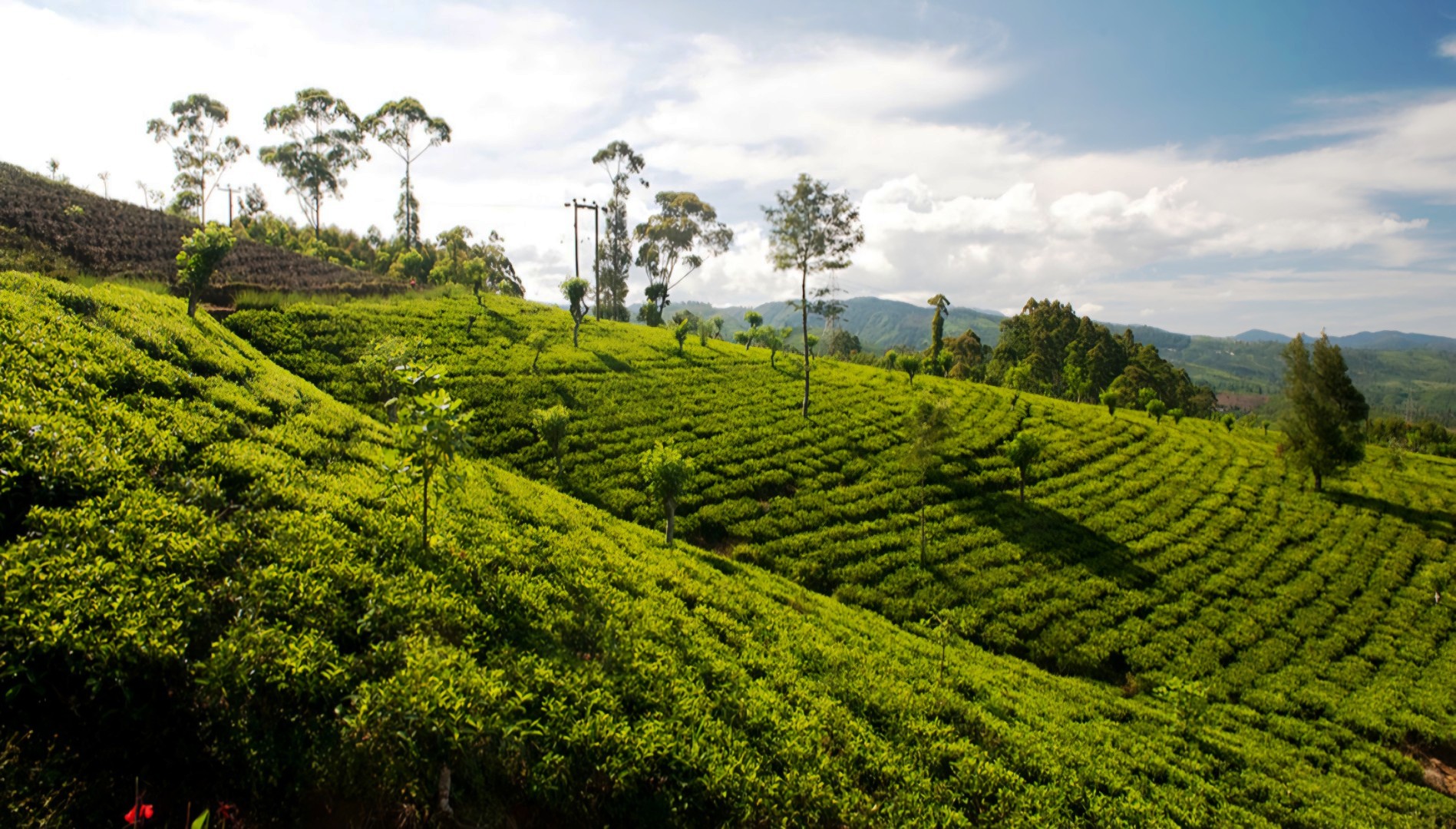
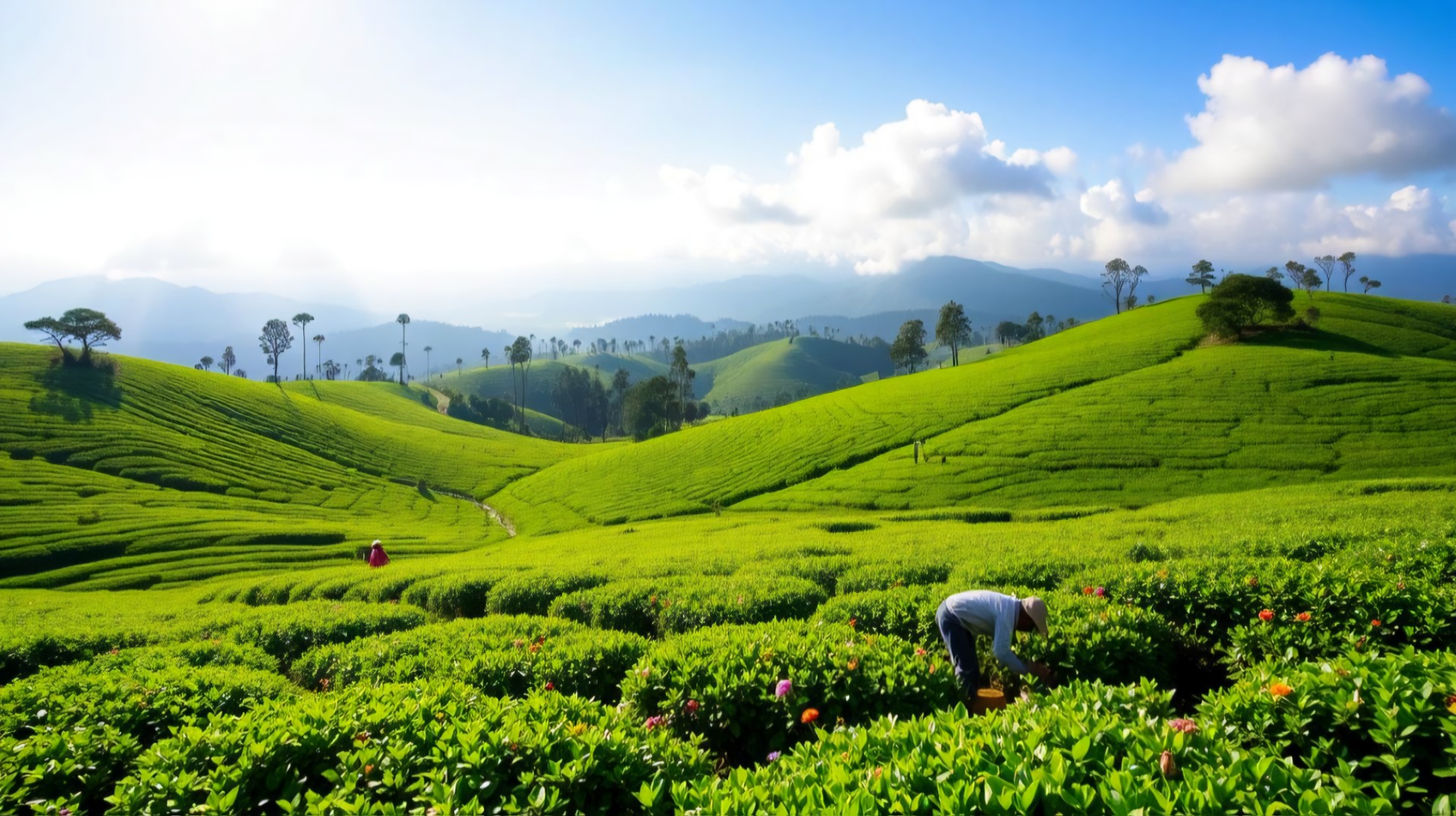
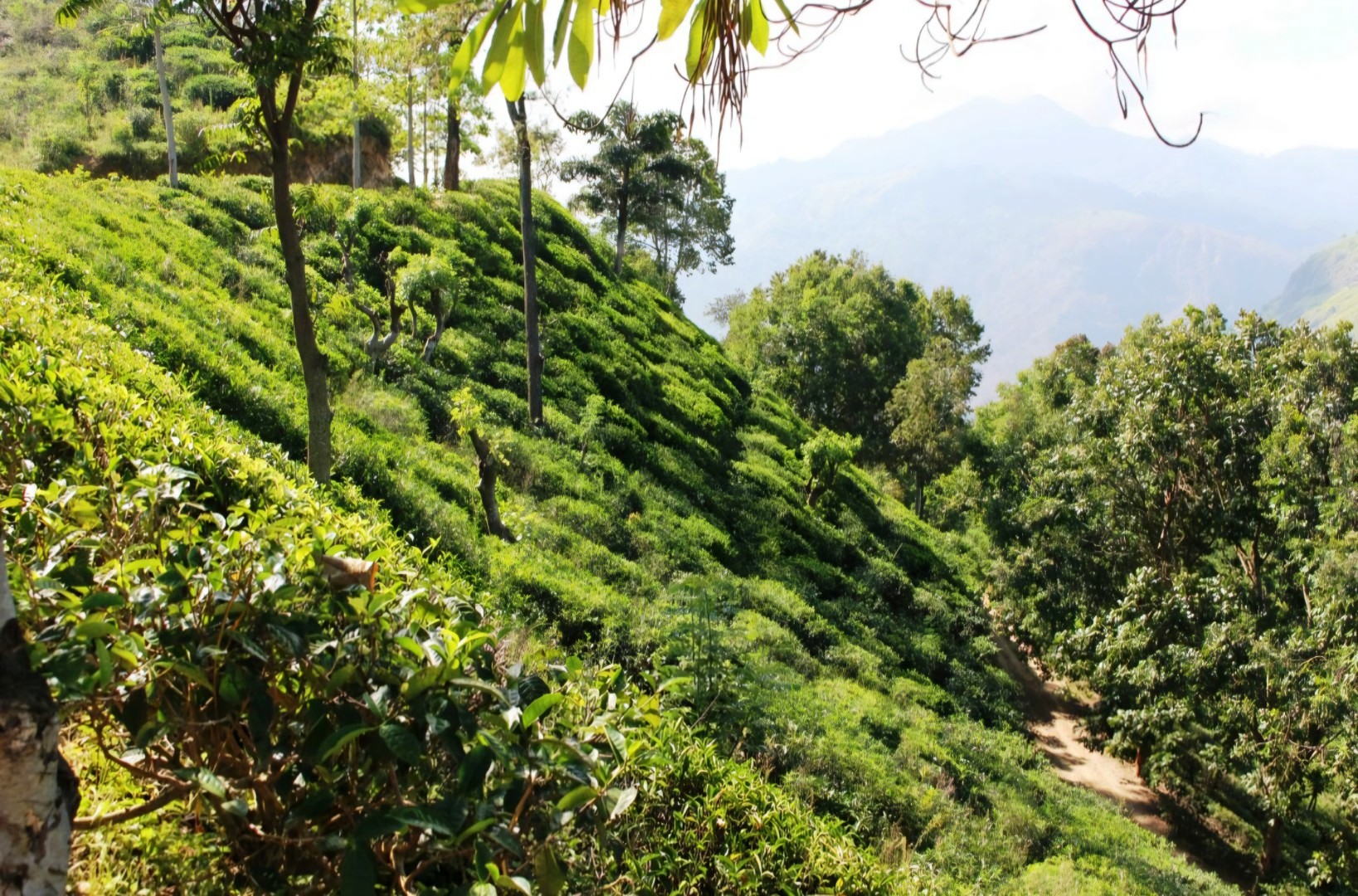
Do you want to explore Sri Lankan high-grown teas?
Flavor & Brewing Profiles
Altitude effect → Slow leaf growth concentrates flavor compounds, giving refined aroma and brisk character.
Taste → Bright, clean, floral, often with citrus or minty notes.
Best enjoyed → Plain or lightly sweetened; milk can mask delicate flavors.
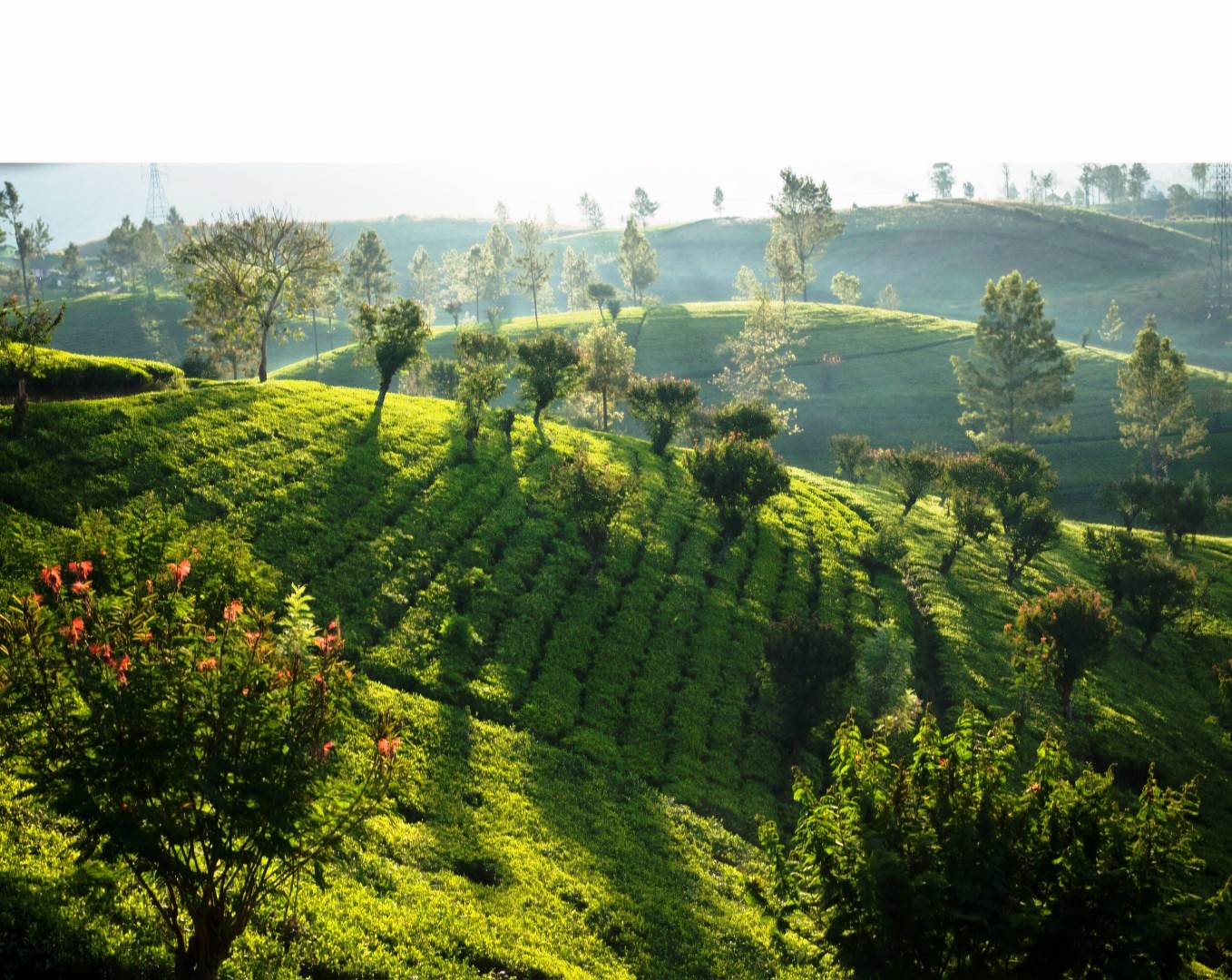
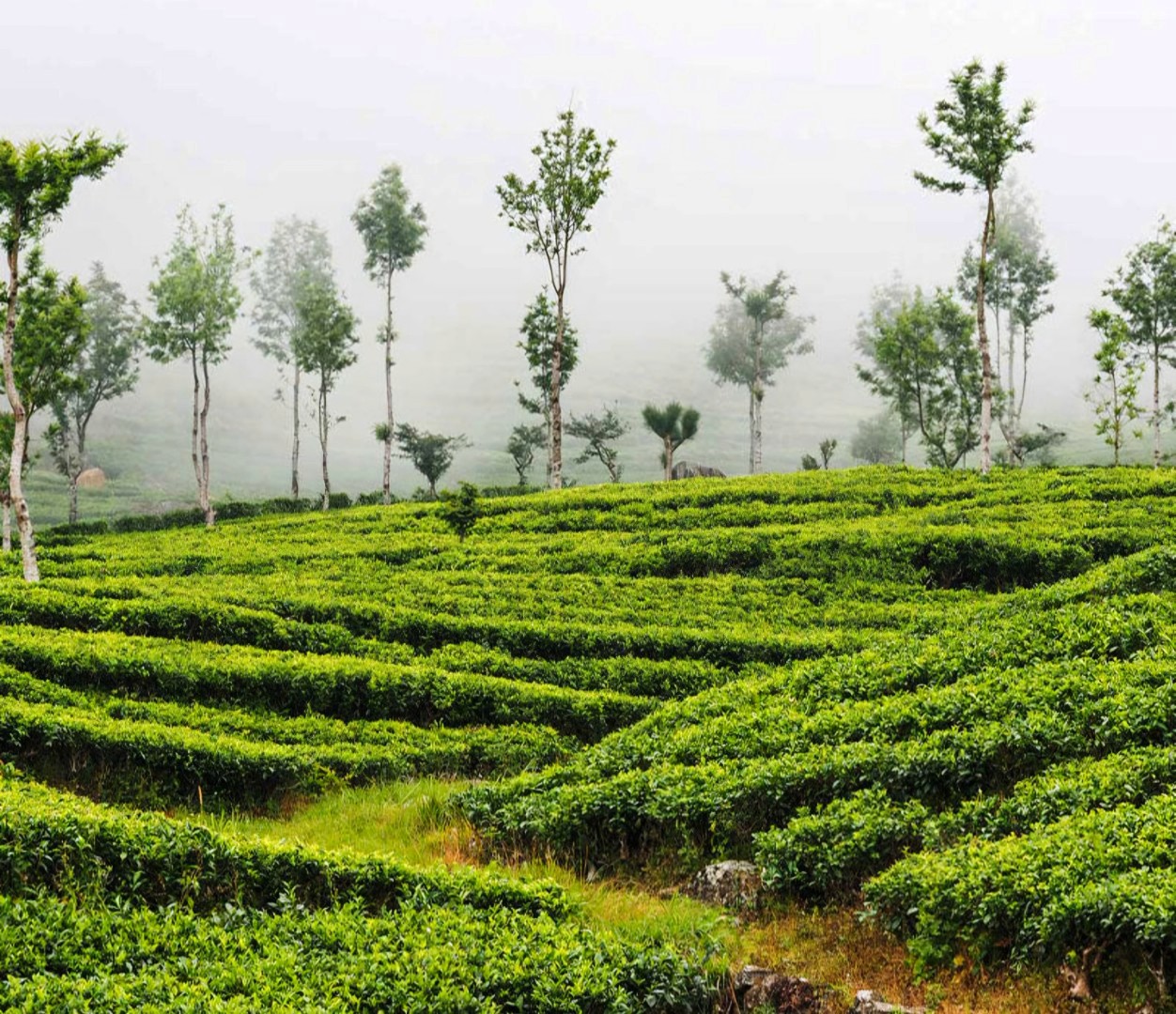
Tea Harvest Seasons
Nuwara Eliya: January–March (dry monsoon period).
Uva: July–September (cool winds create unique flavor).
Comparison of Elevation Grades| Grade | Elevation | Flavor Profile ||—————-|—————-|—————-|| High-grown | Above 1,200 m | Bright, floral, delicate, brisk || Mid-grown | 600–1,200 m | Fuller body, rounded flavor || Low-grown | Below 600 m | Strong, dark, robust |
Tea Considerations
Quality vs. strength → High-grown teas are prized for delicacy, not robustness. If you prefer strong tea with milk, low-grown may suit better.
Price premium → High-grown teas often fetch higher auction prices (up to 20–25% above average).
Tourism → Estates in Nuwara Eliya, Hatton, and Ella offer factory tours, tastings, and plantation stays.
Highlights of best estates to visit for high-grown tea experiences.
What to Expect
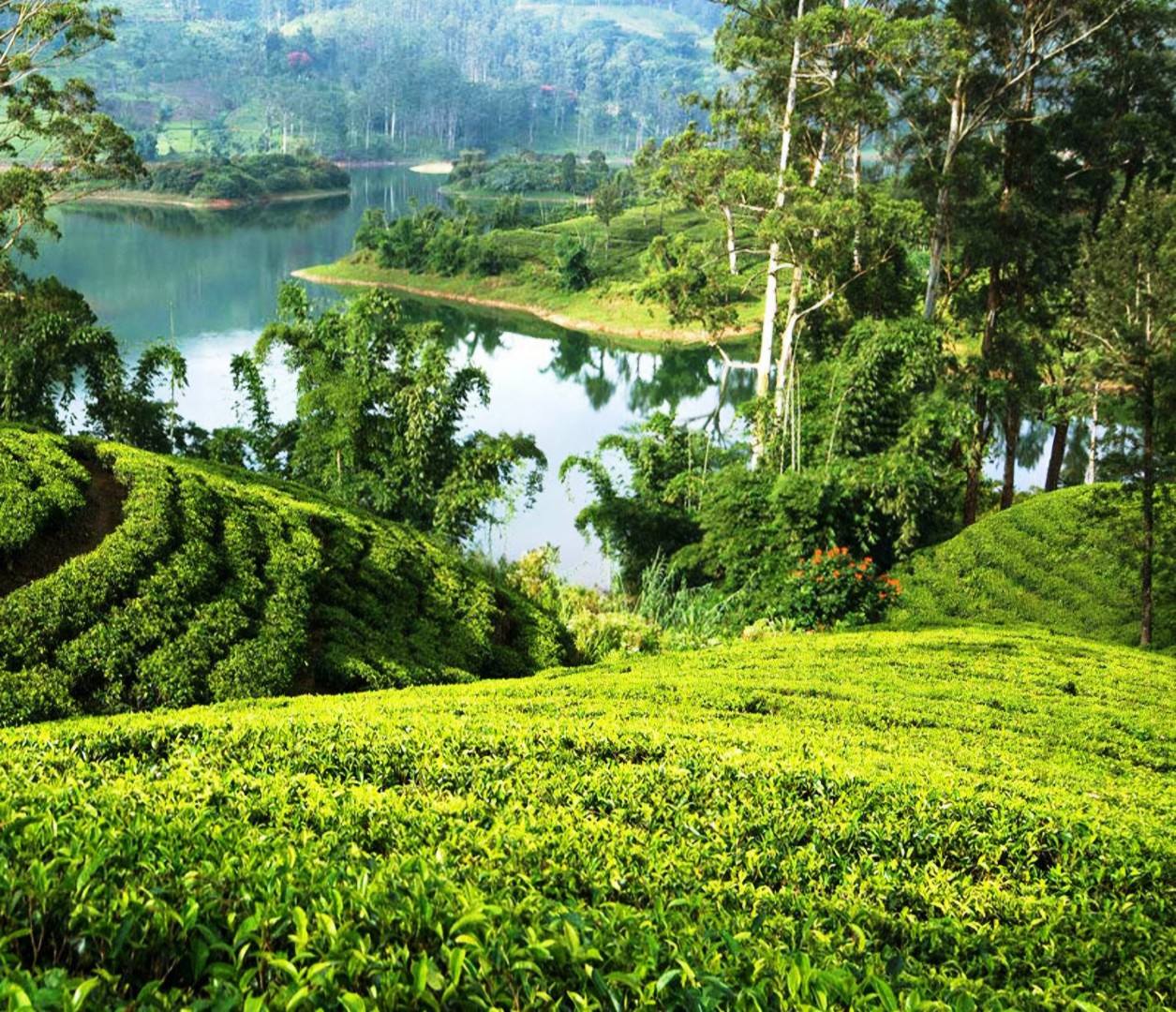
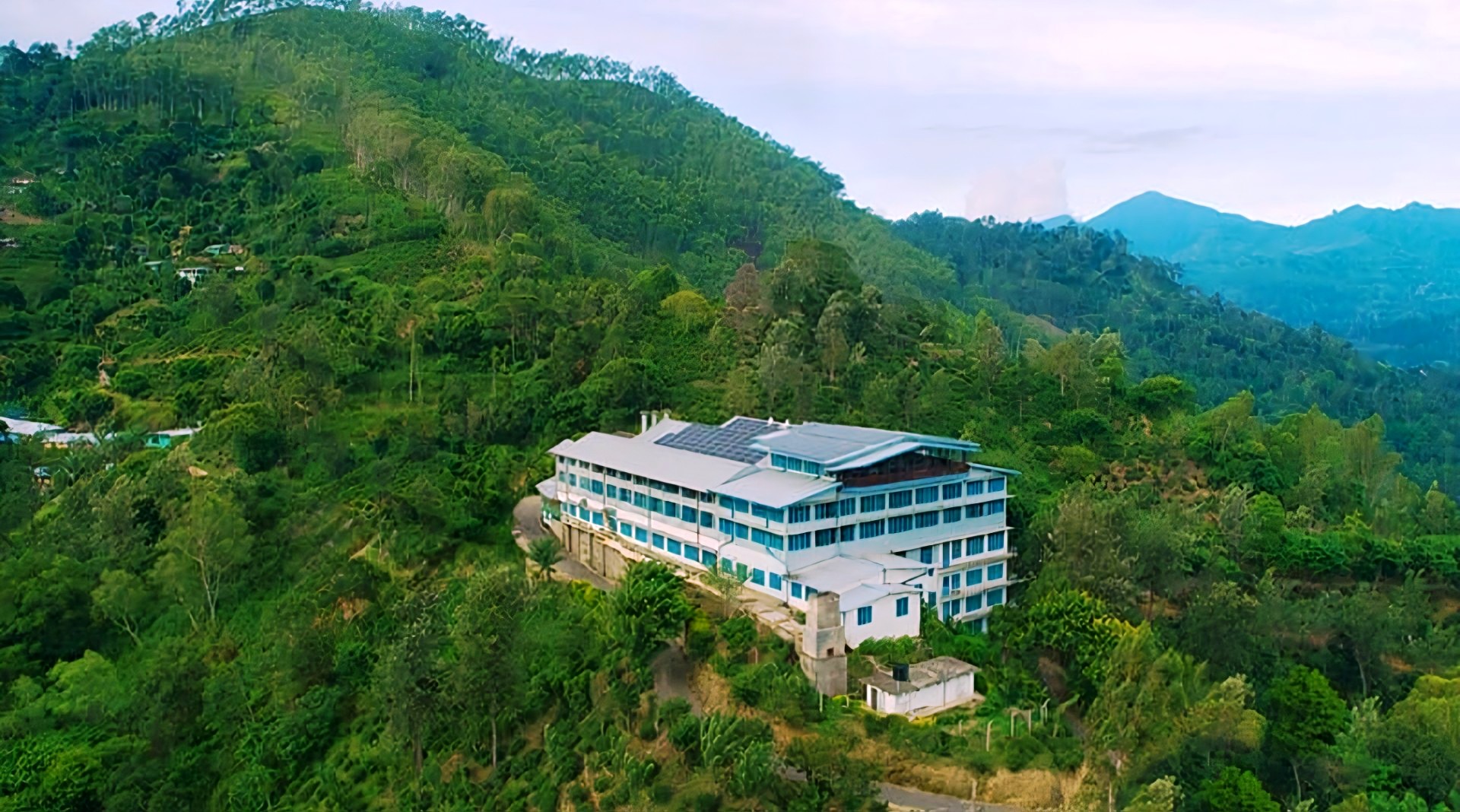
- Guided tours through tea fields and factories.
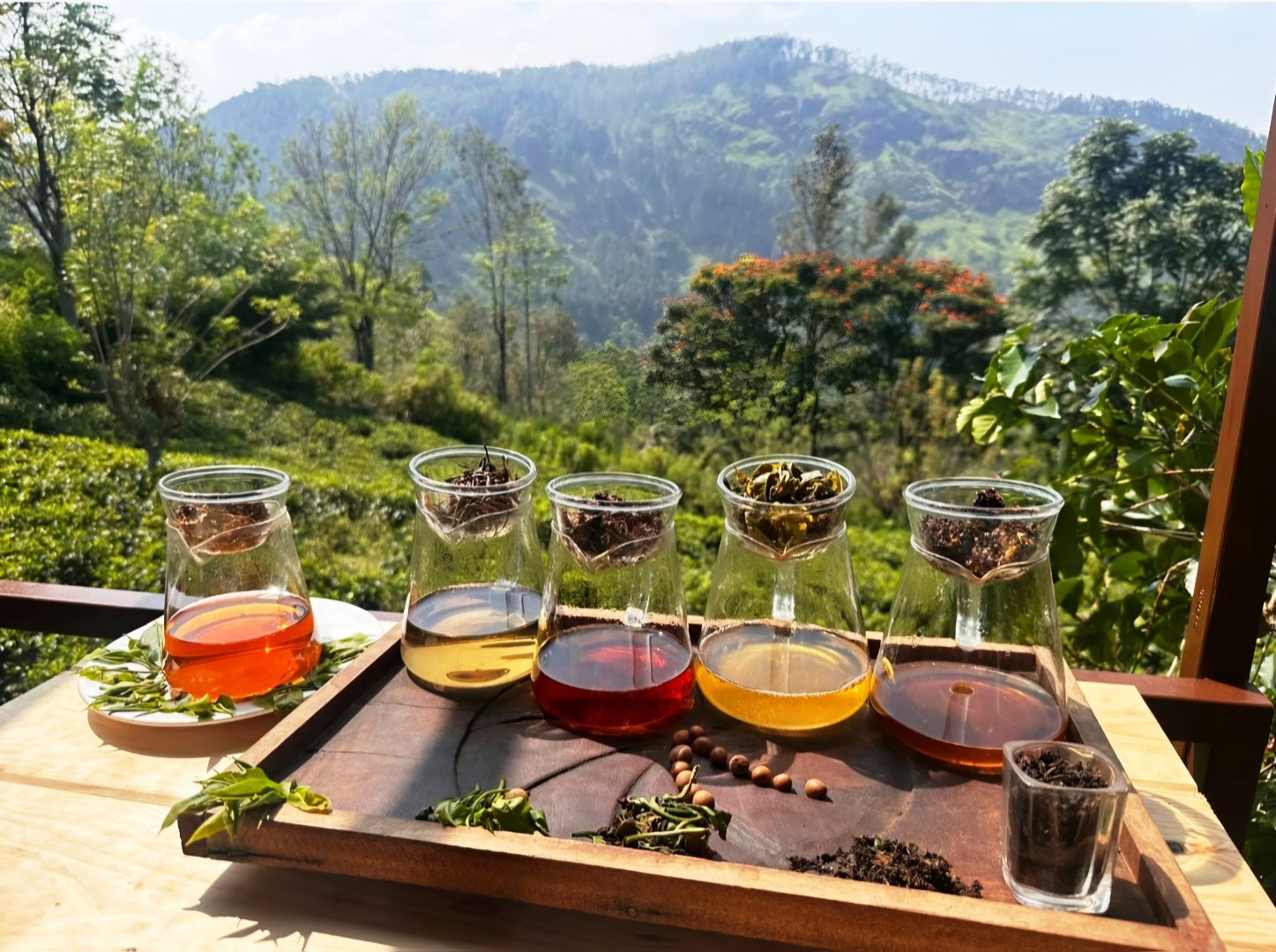
- Tastings of different grades (OP, BOPF, high-grown specialties).
- Tea shops selling estate-fresh packs.
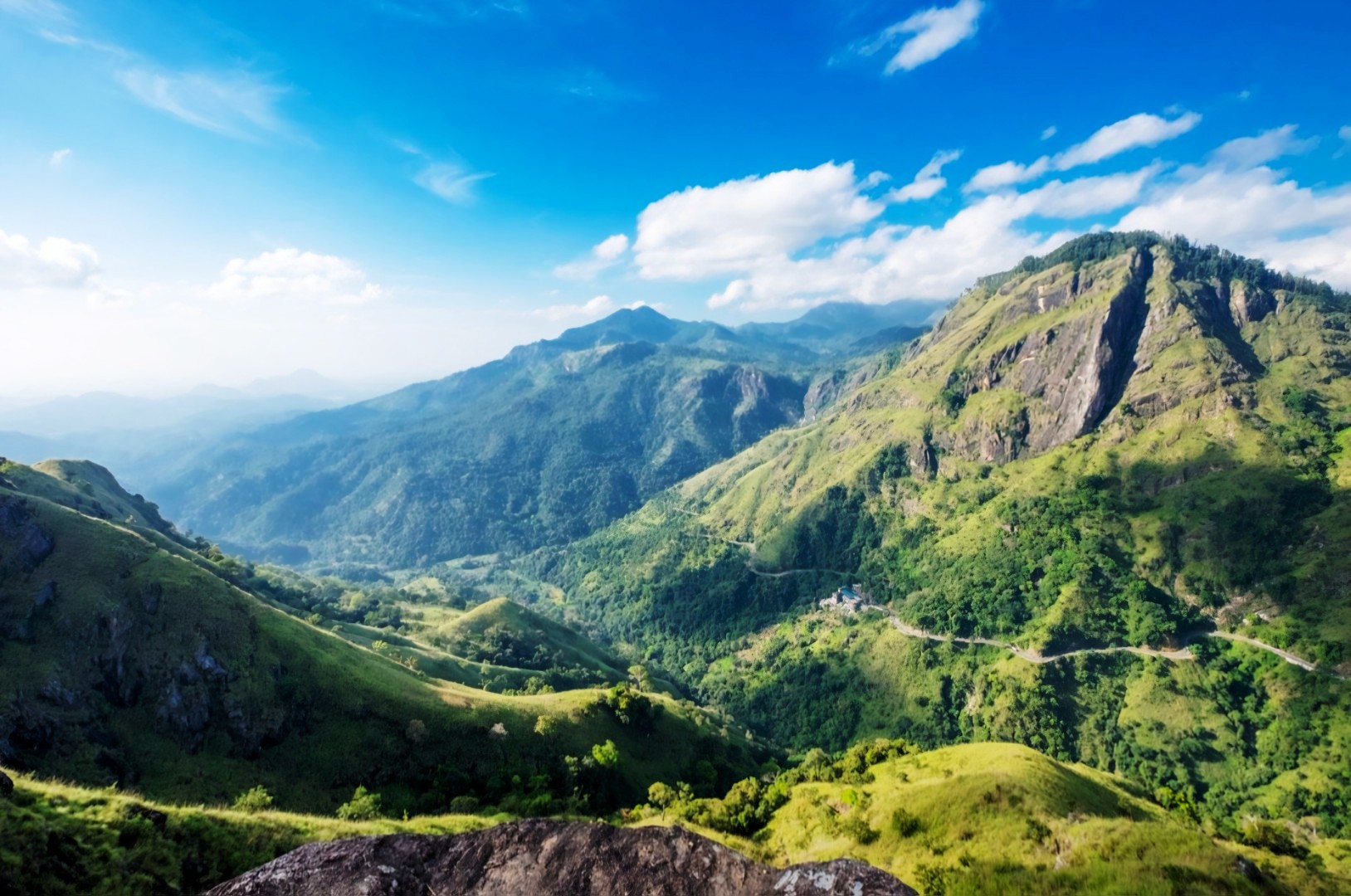
- Scenic landscapes perfect for photography.
Tea tours in Ella for a mix of tea and adventure
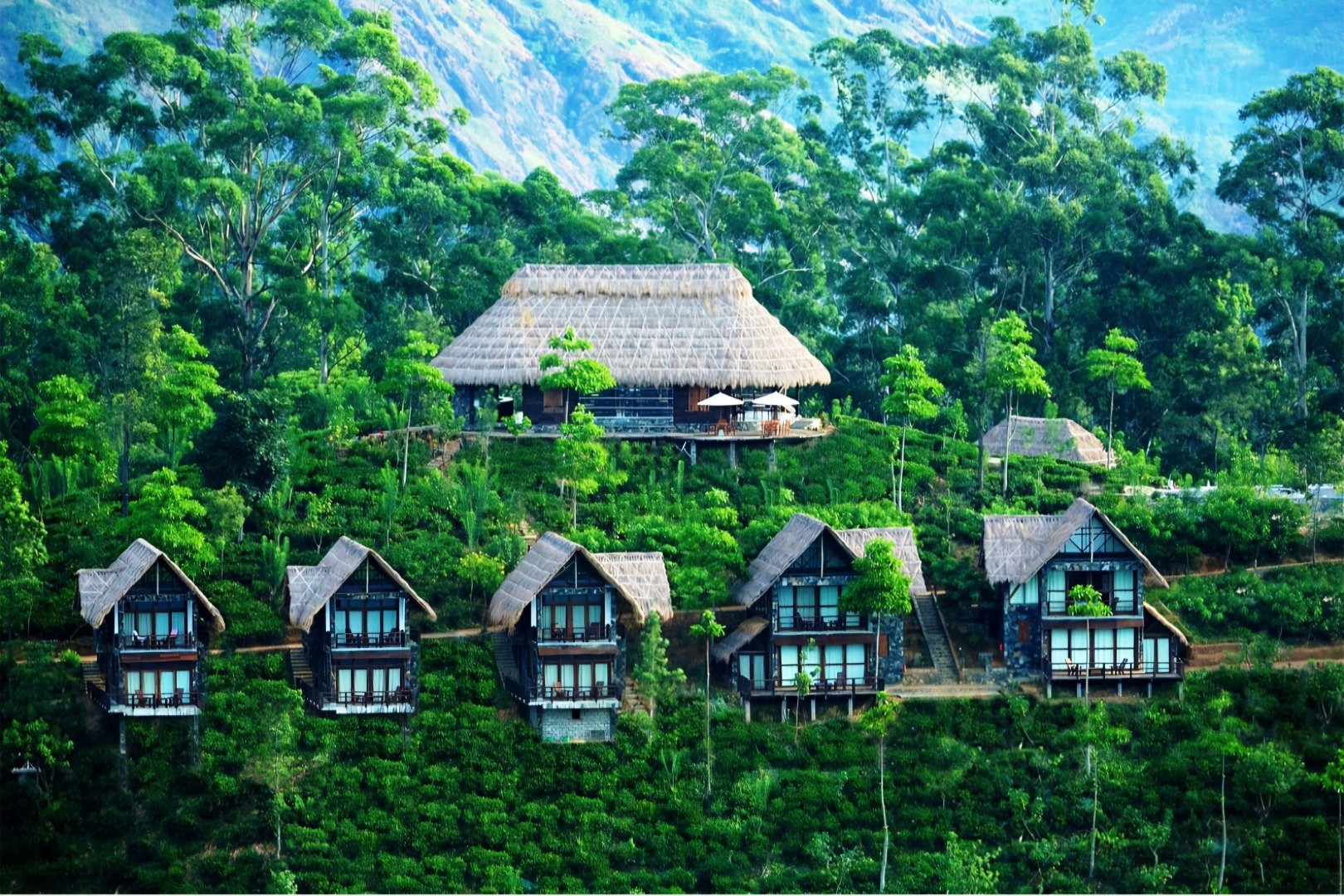
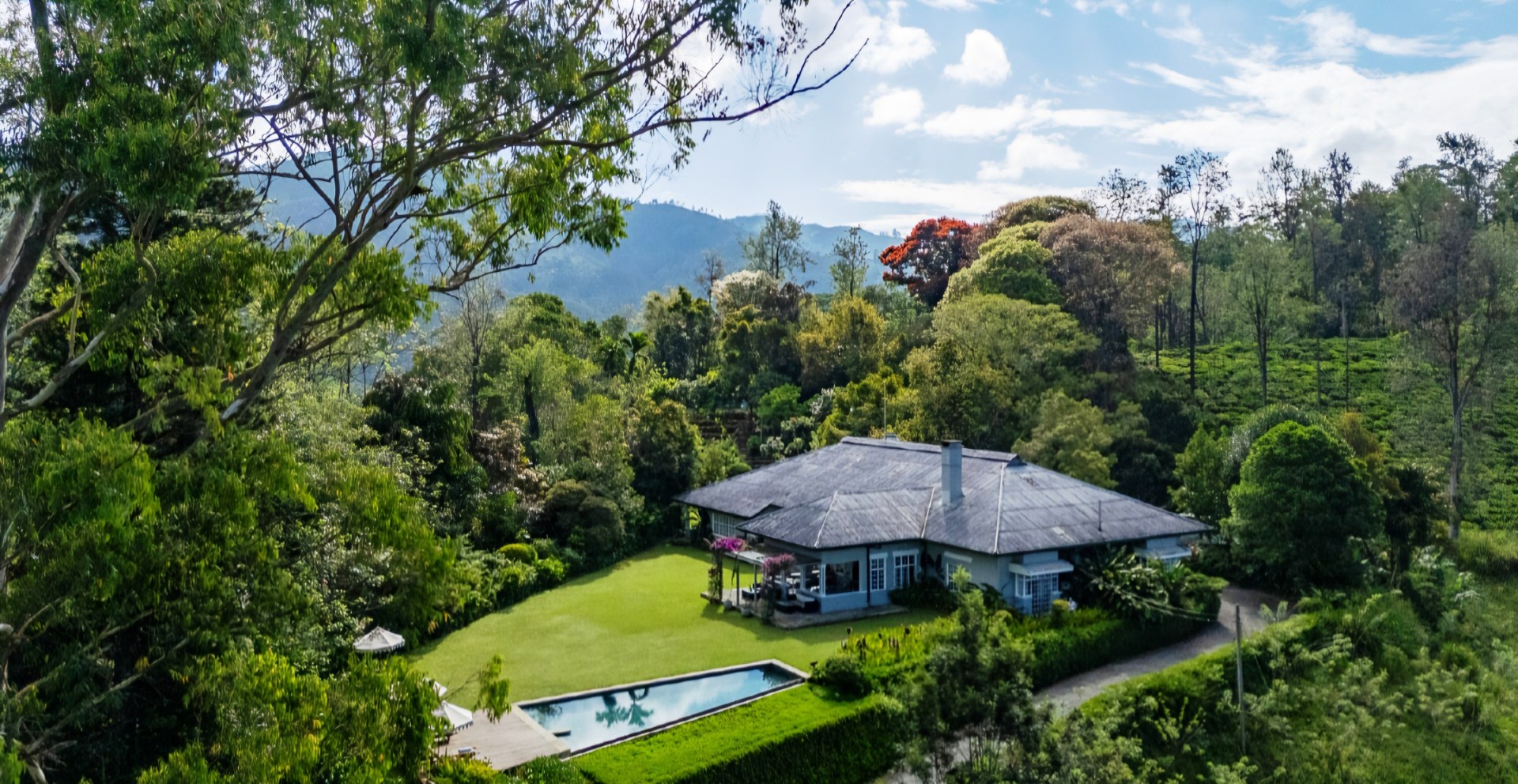
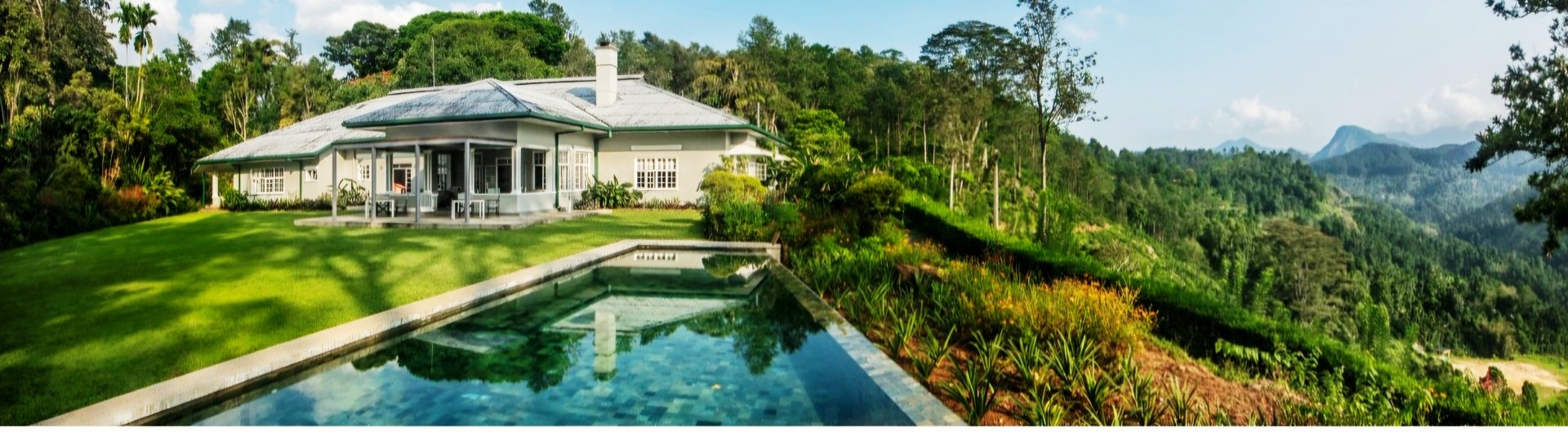
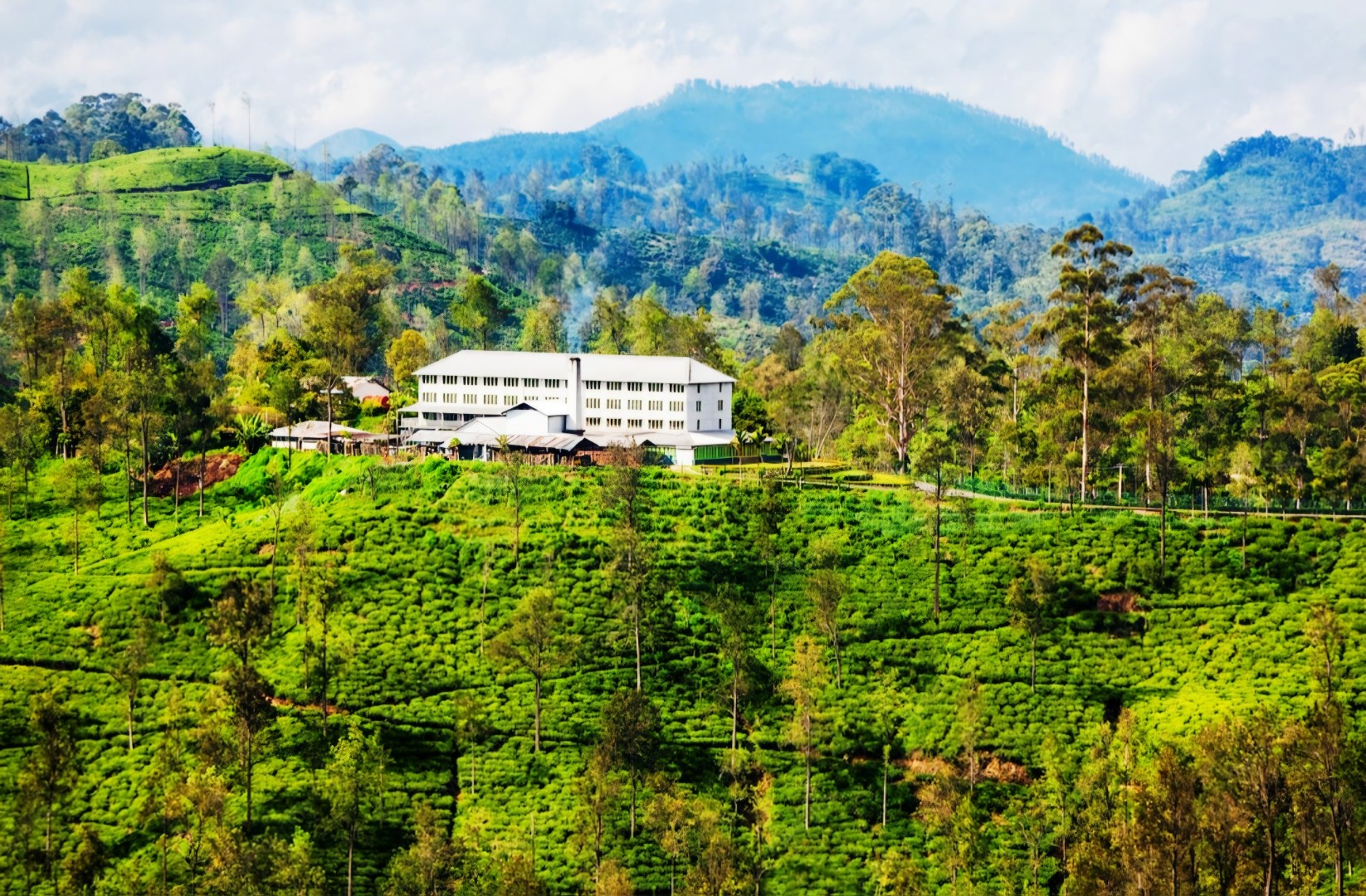
Tea tour itineraries in Ella with a focus on multi-day tea and hiking packages that combine plantations with adventure.
What’s Included
- Factory tours explaining withering, rolling, fermenting, and drying.
- Guided hikes with local experts
- Tastings of high-grown teas like OP and BOPF.
- Cultural immersion with estate workers and village communities.
- Accommodation in tea bungalows or eco-lodges.
Why Ella Is Special
- Altitude and climate give teas a brisk, menthol-like edge unique to Uva.
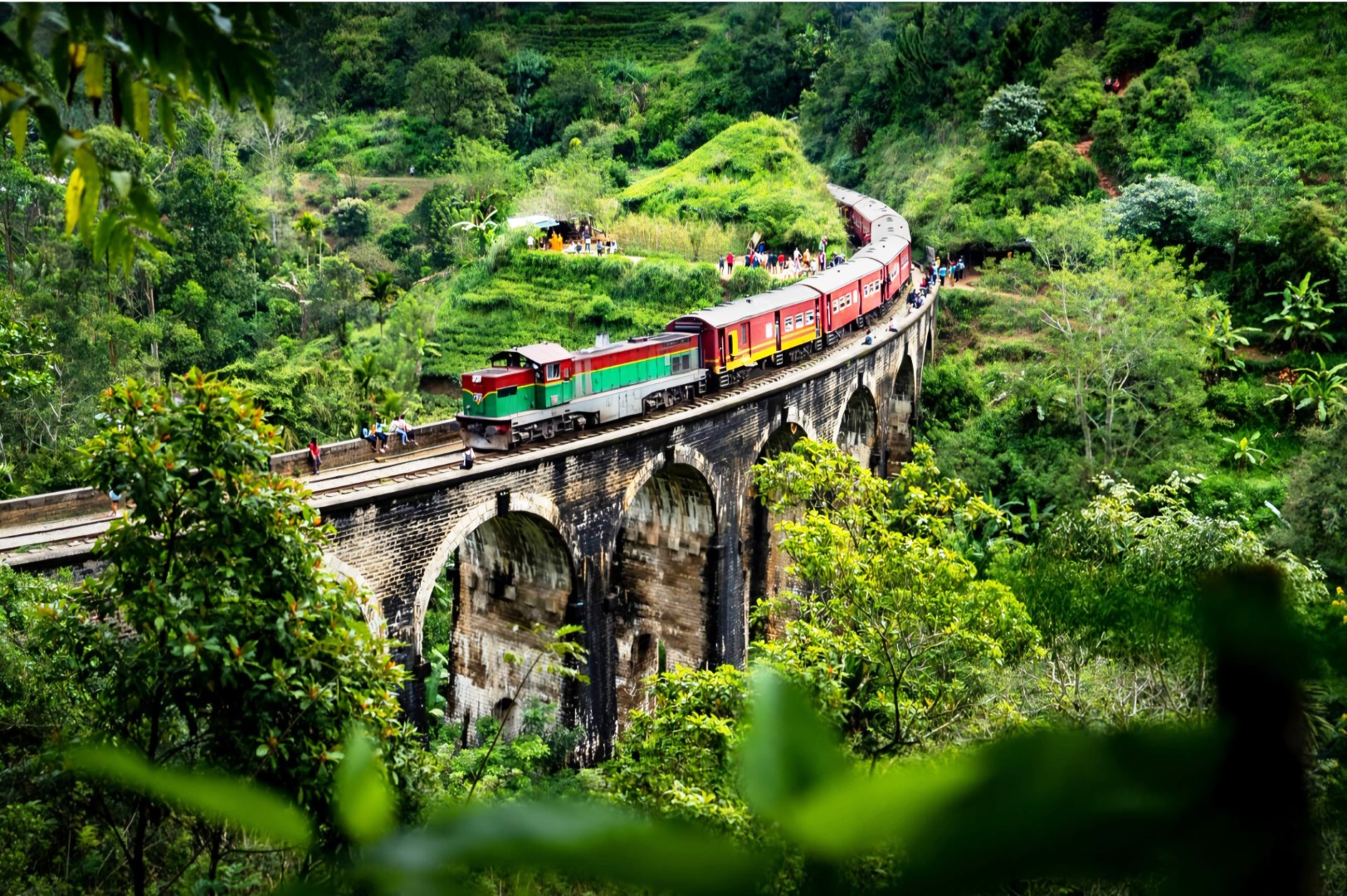
- Trails combine tea fields, waterfalls, and colonial-era railway bridges.
- Perfect balance of adventure and relaxation.
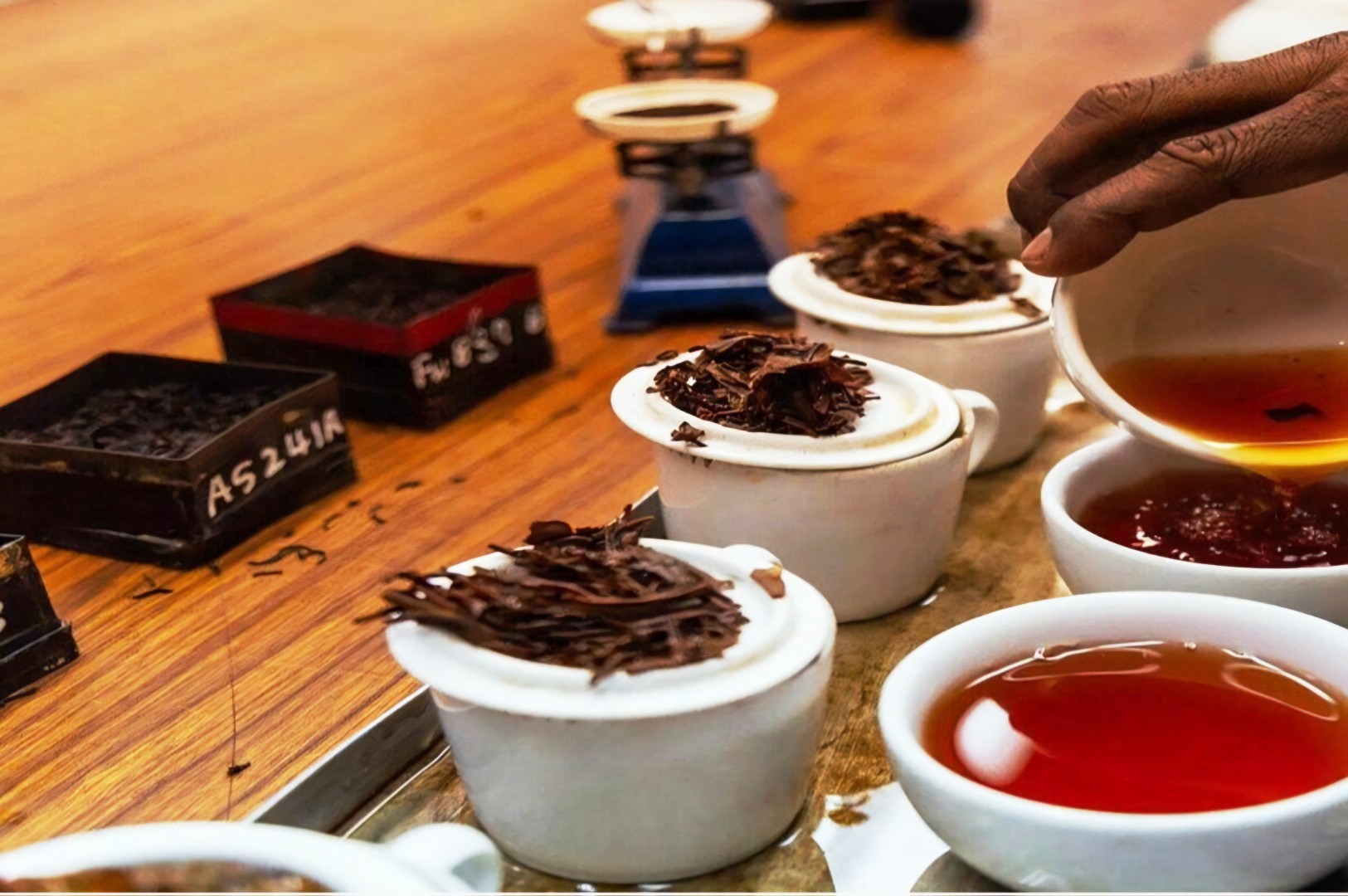
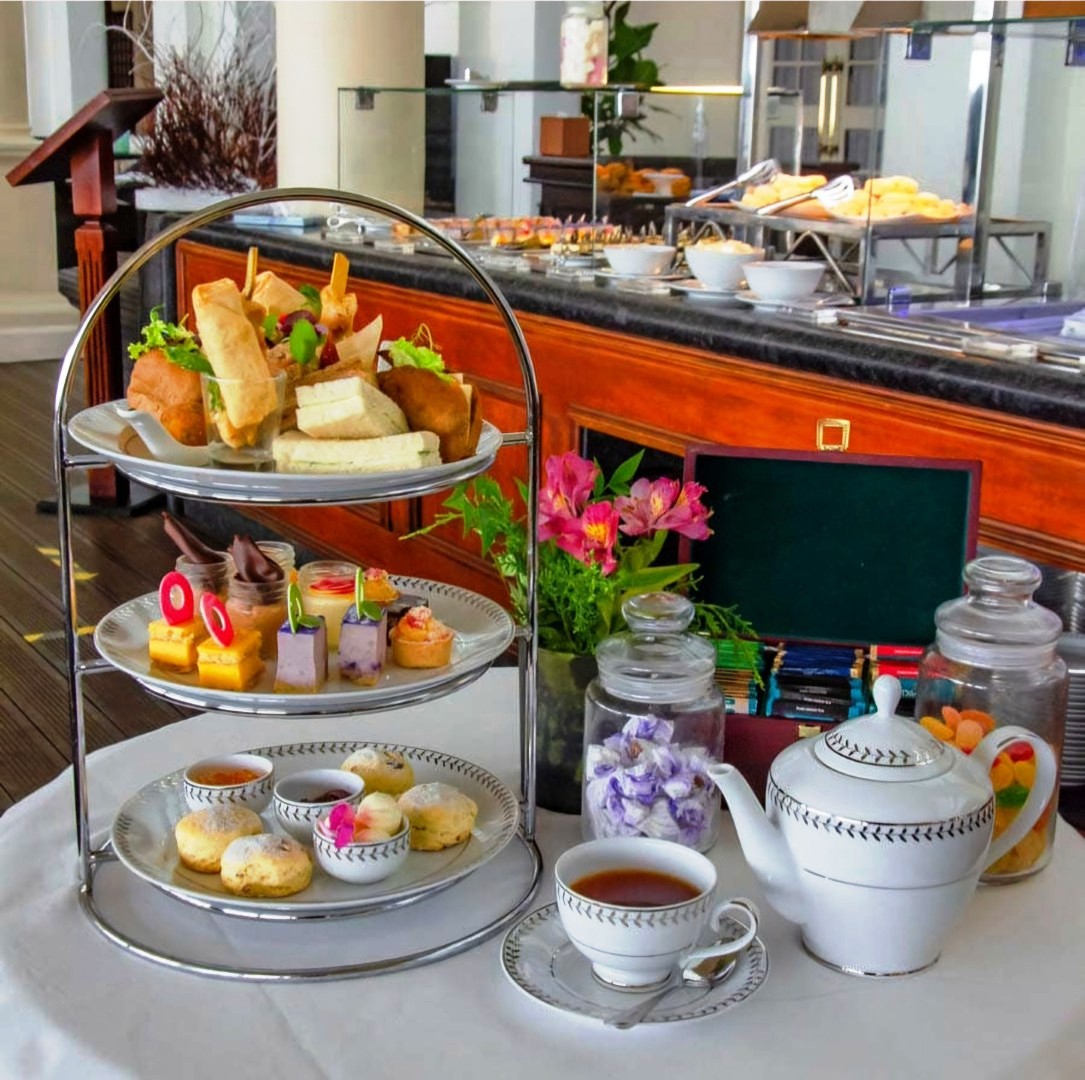
Luxury tea and hiking packages with boutique stays
- Exclusive boutique stays that host & focus on premium tea estates offering luxury tours
- exclusive tea tasting experiences offered at premium plantations
Luxury tea and dining pairings that elevate the tasting experience?
Sri Lanka’s fine tea, globally known as Ceylon Tea, is prized for its diversity of flavor shaped by altitude, climate, and terroir. From delicate high-grown teas in Nuwara Eliya to robust low-grown Ruhuna varieties, Sri Lanka produces over 300 million kilograms annually, making it one of the world’s leading exporters. —🌍 Origins & Heritage- Tea cultivation began in 1867 when Scottish planter James Taylor established the first estate at Loolecondera, Kandy. – Coffee rust disease devastated plantations, forcing a shift to tea, which soon became Sri Lanka’s economic backbone. – The Colombo Tea Auction (1883) set global standards for transparency and quality.
Major Tea-Growing Regions| Region | Altitude | Flavor Profile ||—————-|—————-|—————-|| Nuwara Eliya | 1,800–2,240 m | Delicate, floral, champagne-like || Uva | 1,000–1,500 m | Brisk, aromatic, menthol-like || Dimbula | 1,200–1,700 m | Balanced, citrusy, mellow || Kandy | 600–1,000 m | Medium-bodied, malty, spicy || Ruhuna | Sea level–300 m | Strong, full-bodied, deep amber || Uda Pussellawa | 1,000–1,400 m | Velvety, sweet, smooth || Gal Oya | 300–700 m | Earthy, complex, emerging region |-
Ceylon Tea Grades
- OP (Orange Pekoe) → Whole leaf, delicate flavor.
- BOP (Broken Orange Pekoe) → Medium broken leaves, stronger taste.
- BOPF → Fine fannings, brisk, widely used in tea bags.
- Dust → Smallest particles, quick brewing, strong liquor.
Why Ceylon Tea Is Special
- Altitude diversity → High-grown teas are light and floral; low-grown teas are bold and robust.
- Distinct terroir → Monsoon winds, mist, and soil variations create unique flavor signatures.
- Global reputation → Used in blends like English Breakfast and Earl Grey. –
- Ethical focus → Estates like Dilmah emphasize sustainability and fair trade.
- Quality vs. strength → High-grown teas are delicate; low-grown teas suit milk-based brews.
- Price premium → Rare grades like Silver Tips fetch significantly higher prices.
- Tourism → Estates in Nuwara Eliya, Ella, and Kandy offer immersive tea tours.